

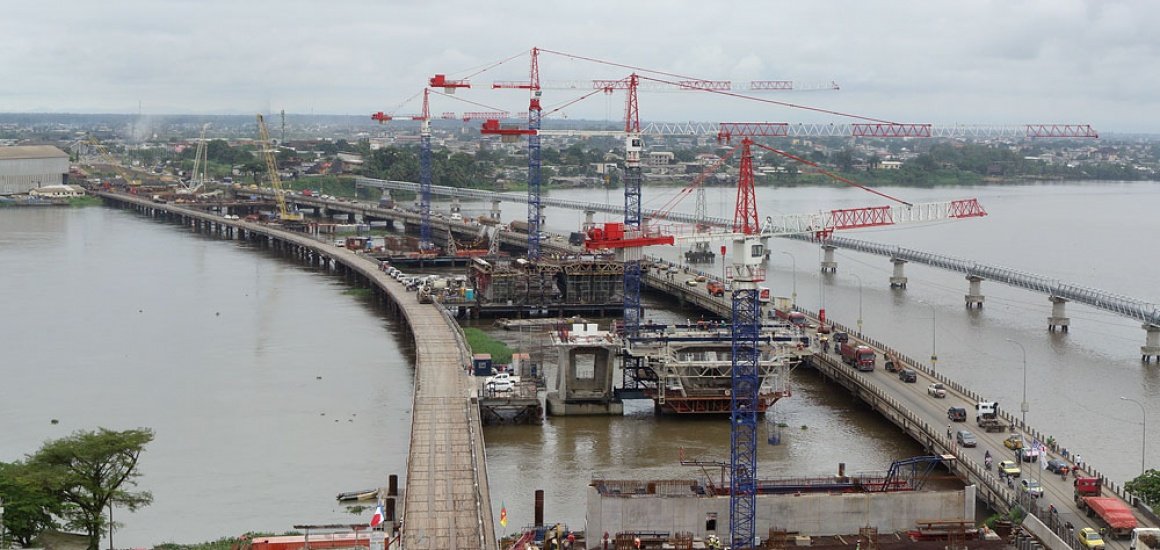
The Wouri Bridge, stretching majestically across the Wouri River in Douala, is one of Cameroon’s most significant architectural and historical landmarks. Serving as a vital gateway between Bonabéri and Douala’s city center, this iconic structure is more than a transport corridor—it is a symbol of the country’s industrial evolution, regional connectivity, and economic vitality. For visitors discovering Douala with Luxecam Tours Ltd, the Wouri Bridge offers a fascinating blend of history, engineering prowess, and captivating river views that reflect the vibrant pulse of Cameroon’s economic capital.
Historical Background – From Colonial Engineering to Modern Expansion
The story of the Wouri Bridge dates back to the early 1950s, when the need for a durable, permanent crossing over the Wouri River became indispensable for trade and mobility. Construction began in 1951 and was completed in the mid-1950s, marking a major milestone in urban development. At the time of its inauguration, the bridge stood as one of Africa’s longest concrete structures and played a transformational role in linking the port of Douala with western Cameroon and inland regions.
Originally designed as a combined road-railway bridge, it accommodated both vehicular traffic and trains, significantly boosting commercial activity. For decades, it remained the backbone of regional trade—supporting the movement of goods from the hinterlands toward the Port of Douala. Its historical significance is also tied to the growth of Bonabéri as an industrial hub, as well as the expansion of neighborhoods and businesses across both riverbanks.
With the city’s rapid growth in recent decades, the Wouri Bridge continued to evolve, complemented by modern expansions and infrastructure projects. Today, it stands as both a historical monument and an active, indispensable artery connecting diverse communities and economic zones.
Architectural Features & Importance in Modern Douala
The Wouri Bridge remains one of the most recognizable man-made structures in the Littoral Region. It spans nearly two kilometers, supported by solid concrete piers anchored deep into the riverbed. The bridge’s broad deck was engineered to sustain high traffic volumes, while its elevated sections provide sweeping panoramic views of the river below.
On a functional level, the bridge links key transportation sectors—connecting industrial zones, residential districts, commercial hubs, and the bustling port. Its importance extends beyond transportation; it is a lifeline for workers, students, merchants, and travelers who cross it daily.
For visitors, the bridge stands as an emblematic introduction to Douala’s vibrant character: dynamic, industrious, and ever-expanding.
What Makes Wouri Bridge a Must-See for Tourists
Whether incorporated into an urban sightseeing circuit or explored as an architectural highlight, the Wouri Bridge offers visitors an immersive glimpse into Douala’s unique identity:
• Breathtaking Scenic Views
From the bridge, one can enjoy magnificent views of the Wouri River—its shimmering waters dotted with fishermen’s boats, ships arriving at the port, and mangrove landscapes that frame the horizon. Sunsets over the river are particularly stunning, making this a great photography spot.
• Authentic Local Experience
Crossing the Wouri Bridge is a chance to observe the vibrant flow of everyday life in Douala. From the rhythm of commuter traffic to the river’s maritime activities, visitors can witness the heartbeat of Cameroon’s economic capital.
• Gateway to Cultural & Urban Exploration
The bridge connects visitors to contrasting sides of the city:
- Bonabéri, known for its industrial backdrop and local markets,
- Douala city center, home to cultural sites, shops, restaurants, and historical buildings.
• A Symbol of Cameroon’s Infrastructure Heritage
With its deep historical roots and decades of service, the bridge embodies an important chapter in Cameroon’s modernization. It offers a compelling background story for culture and history enthusiasts.
Useful Information for Tourists
To ensure a smooth and enjoyable visit, Luxecam Tours Ltd provides the following key insights:
- Best time to visit: early morning or late afternoon, when traffic is lighter and light conditions are ideal for photography.
- Safety & comfort: while walking parts of the bridge is possible, certain sections are more suited to vehicle crossings. Our guides ensure the safest and most comfortable viewing points.
- Traffic considerations: the bridge is busiest during weekday rush hours; our itineraries are designed to optimize timing and avoid unnecessary delays.
- Photography tips: bring a camera or smartphone with good stabilization—river reflections and city skyline shots are particularly spectacular from the mid-bridge vantage points.
Why Luxecam Tours Ltd Includes Wouri Bridge in Its Itineraries
At Luxecam Tours Ltd, we understand that travelers seek both cultural depth and authentic discovery. The Wouri Bridge ticks all the boxes:
- It is a historic gateway to the story of modern Douala.
- It offers unforgettable panoramas of the river and skyline.
- It is central to the city’s economic and social life, making it an essential immersion point.
- It enriches thematic tours—urban exploration, cultural discovery, architectural appreciation, photography tours, and port-city heritage experiences.
Through expertly curated itineraries, our team brings the Wouri Bridge to life—explaining its past, highlighting its present role, and guiding visitors to the best viewing angles and storytelling moments.
