

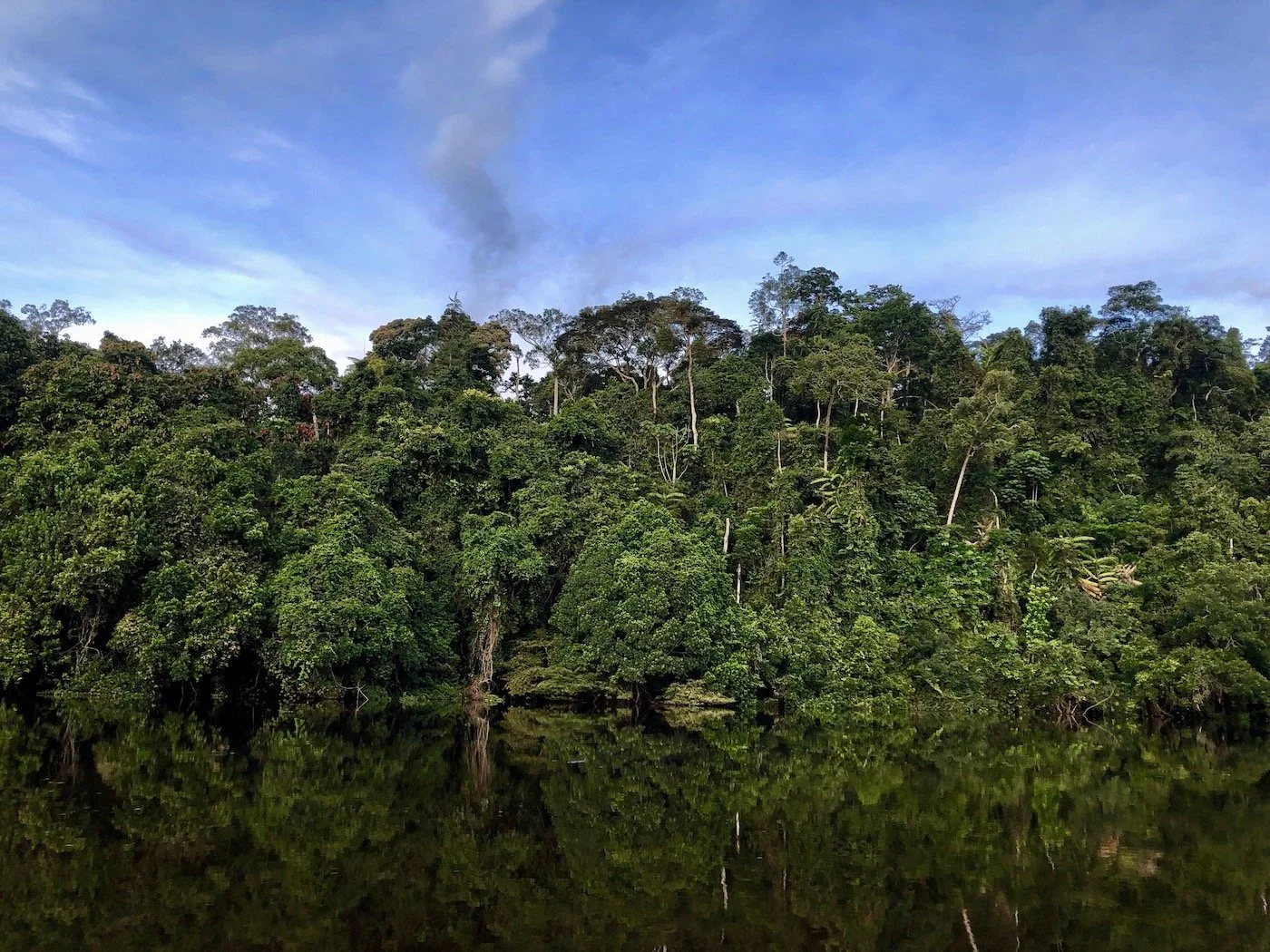
The Dja Faunal Reserve is one of the most remarkable natural treasures in Cameroon and a must-visit destination for wildlife enthusiasts, nature lovers and cultural travellers. Situated in the southern region of the country near the borders with the Republic of Congo and the Central African Republic, the reserve encompasses over 5,000 square kilometres of pristine tropical rainforest and is recognized as a UNESCO World Heritage Site for its outstanding biodiversity and ecological importance. The Dja Faunal Reserve offers travellers an immersive experience into Central Africa’s lush rainforest ecosystem, featuring a vast array of wildlife, dense forests, winding rivers and untouched natural landscapes that make it one of the most unique conservation areas on the continent.
History and Background
The Dja Faunal Reserve was established to protect one of the most ecologically significant tropical forests in Africa and to conserve its rich biodiversity. Its boundaries follow the natural course of the Dja River, which has helped maintain the forest’s integrity and shield it from excessive human interference. The reserve has long been home to a variety of forest-dependent communities who have lived sustainably within its borders, preserving traditional knowledge and cultural practices linked to the forest. Over time, the Dja Faunal Reserve has become a symbol of successful conservation in Central Africa, demonstrating the importance of protecting endangered species and preserving critical habitats while respecting the traditions of indigenous peoples.
Wildlife and Visitor Experience
Visitors to the Dja Faunal Reserve can expect to encounter some of Africa’s most iconic and rare wildlife in their natural habitats. The reserve is home to forest elephants, western lowland gorillas, chimpanzees, mandrills, leopards, okapis and an extraordinary variety of birds, reptiles and plant species. Guided treks through the forest offer opportunities to observe primates and other wildlife, track animal movements, and learn about the forest ecosystem from knowledgeable local guides. Boat excursions along the Dja River allow for scenic wildlife viewing and birdwatching, while eco-lodges and camping sites provide visitors with comfortable accommodation close to nature. The reserve also offers educational opportunities to learn about forest ecology, conservation challenges, and the sustainable practices of local communities who have coexisted with this environment for centuries.
Practical Information for Tourists
Accessing the Dja Faunal Reserve generally requires organized tours or guided expeditions from major cities such as Yaoundé or Bertoua. Travel typically involves a combination of road and river transport, and visitors should prepare for rainforest conditions, including high humidity and uneven terrain. Essential items for a visit include sturdy hiking shoes, insect repellent, sun protection, binoculars and a camera to capture the rich biodiversity. Guided tours are recommended for safety, optimal wildlife viewing, and cultural interpretation. The reserve is suitable for eco-tourists, adventure travellers, researchers, photographers and families seeking an unforgettable experience in one of Africa’s most pristine natural landscapes.
Why Dja Faunal Reserve Should Be Included in Luxecam Tours Itineraries
For travellers booking with Luxecam Tours Ltd, the Dja Faunal Reserve offers an unparalleled opportunity to explore Cameroon’s rainforest wilderness, observe rare wildlife, and sustainably engage with local culture. Including the reserve in an itinerary allows tourists to combine adventure, education, and ecological awareness, creating a journey that is both thrilling and meaningful. The reserve stands as a testament to the value of conservation and the beauty of Central Africa’s natural heritage, providing experiences that leave lasting memories for all visitors.
A visit to the Dja Faunal Reserve connects travellers with the majesty of Cameroon’s wilderness, offering a rare glimpse into untouched rainforest ecosystems and the lives of the communities that have thrived there for generations. It is an essential highlight for anyone seeking authentic ecotourism, wildlife encounters and cultural discovery in Central Africa.
