


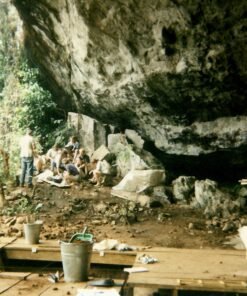
Background of Archaeological Remains of Shum Laka
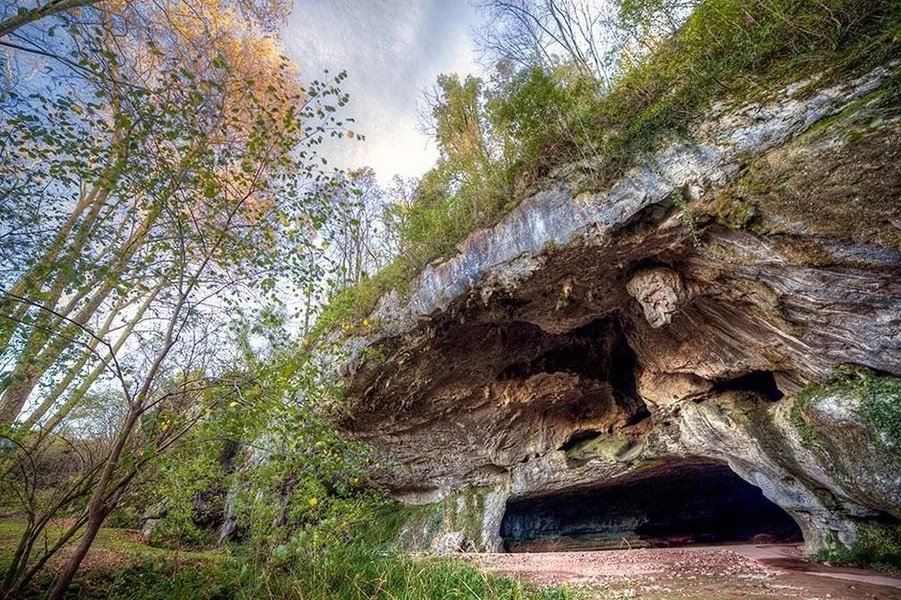
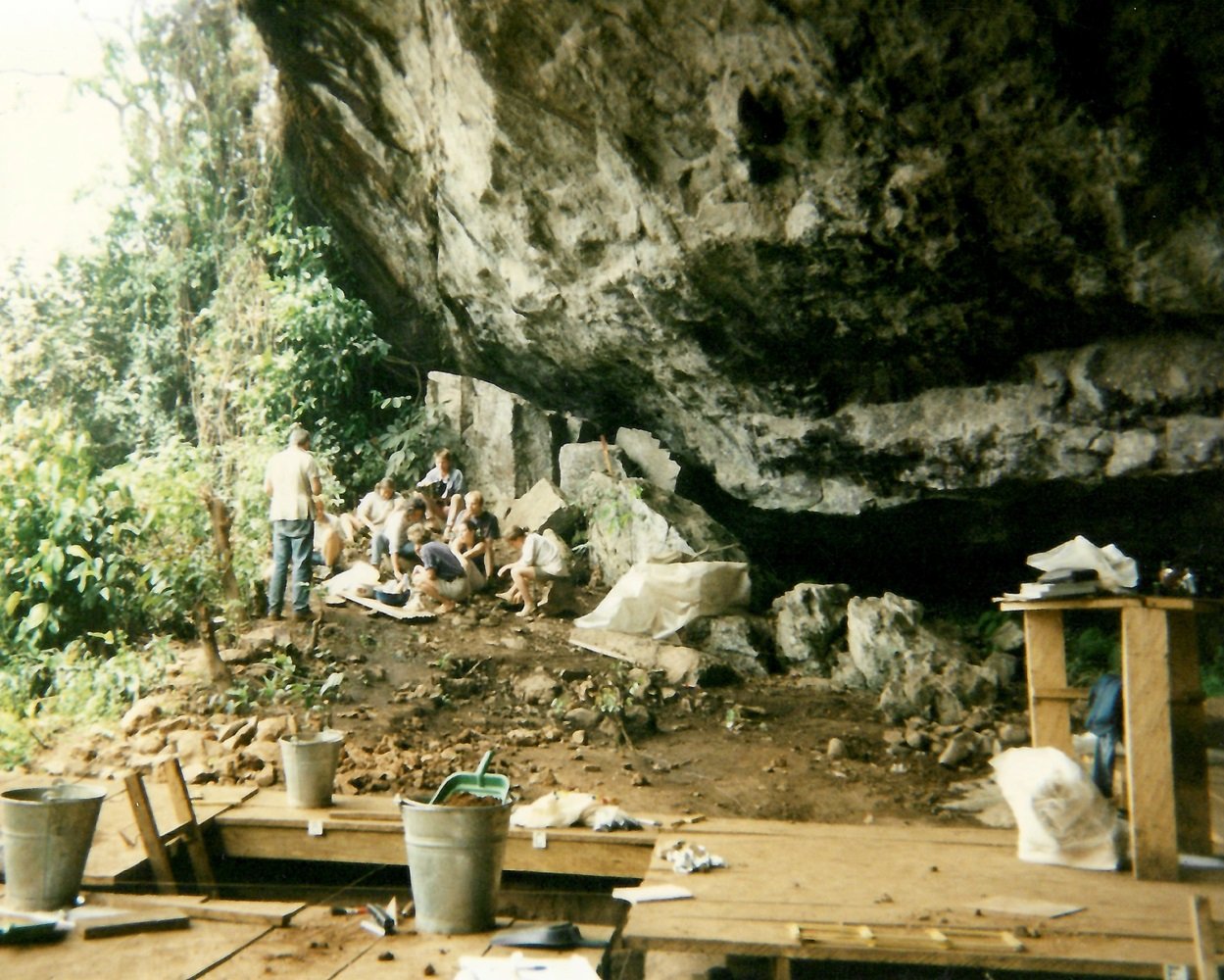
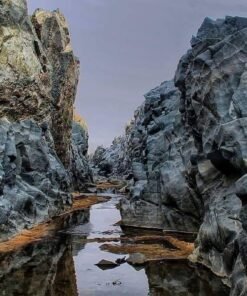
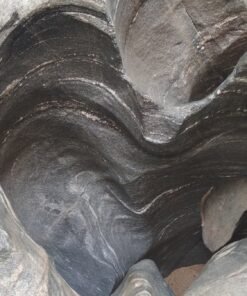
Shum Laka is a large rock shelter situated on the inner wall of the Bafochu Mbu caldera. Archaeological excavations have revealed evidence of human occupation dating back to the Later Stone Age, with deposits that include stone tools, pottery fragments, and human remains. Genetic studies of individuals found at Shum Laka have provided crucial insights into the deep population history of sub‑Saharan Africa, particularly the development and diffusion of Bantu‑speaking peoples. The site is not only a scientific treasure but also a cultural landmark, linking modern communities to their ancient heritage. Its combination of natural beauty, archaeological value, and cultural significance makes Shum Laka a destination of both scientific and spiritual interest.
What Guests Should Expect
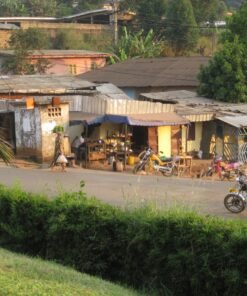
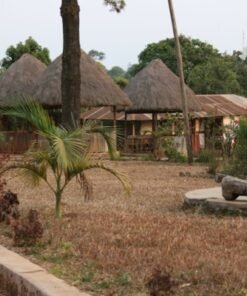
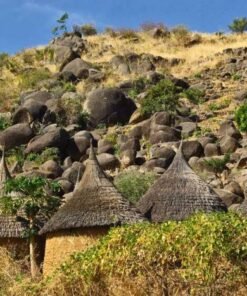
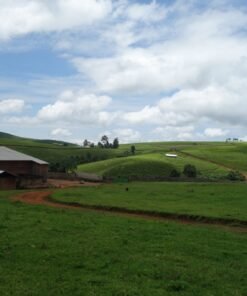
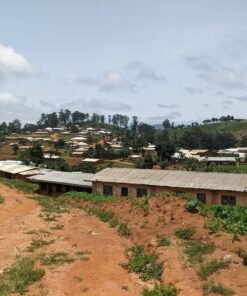
Guests can expect a guided exploration of the rock shelter, where professional guides explain the archaeological significance of the site and its role in African prehistory. Visitors will learn about the discoveries made here, including stone tools and burial sites, and how they contribute to our understanding of human evolution. The tour also includes scenic walks through the Grassfields, opportunities to interact with local communities, and cultural exchanges that highlight the living traditions of the region. Photography enthusiasts will enjoy capturing the dramatic landscapes and the unique atmosphere of this ancient site.
Entry Requirements
Travelers must obtain a valid Cameroon visa before arrival. Access to Shum Laka is arranged through Luxecam Tours Ltd, which organizes transportation and guided tours from Bamenda or nearby towns. Guests should carry identification and respect local customs when interacting with communities near the site.
Safety and Preparation
Safety and preparation are essential for visiting Shum Laka. Visitors are advised to wear sturdy shoes suitable for rocky terrain, lightweight clothing for the warm climate, and carry sun protection such as hats and sunscreen. Bottled water is recommended, as the area can be hot and dry. Luxecam Tours Ltd provides professional guides, reliable transportation, and logistical support to ensure guests enjoy the adventure safely. Travelers should be prepared for moderate walking and uneven surfaces, but the reward is the unforgettable scenery and historical significance of the site.
Best Time to Visit
The best time to visit Shum Laka is during the dry season, from November to March, when trails are more accessible and weather conditions are favorable. The rainy season, while lush and atmospheric, can make paths slippery but offers dramatic views of the Grassfields in full bloom. Morning and late afternoon visits are particularly rewarding, as the changing light enhances the beauty of the rock shelter and the surrounding landscapes.
Why Choose Luxecam Tours Ltd
Luxecam Tours Ltd ensures that every visit to Shum Laka is enriching, safe, and memorable. With professional guides who provide archaeological and cultural insights, guests gain a deeper appreciation of Cameroon’s prehistoric heritage. The company offers personalized itineraries, reliable transportation, and attentive service, making every journey seamless. Choosing Luxecam Tours Ltd means embarking on a tour that connects travelers to Cameroon’s ancient past, vibrant communities, and scenic landscapes, ensuring an experience that is both educational and transformative.
Archaeological Remains of Shum Laka Cameroon | Shum Laka rock shelter | Bamenda Grassfields Tours | Cameroon Prehistoric Heritage | Cameroon Archaeological Sites | Cameroon Eco‑tourism | Cameroon Adventure Travel | Cameroon Cultural Immersion | Cameroon Northwest Region Tourism | Luxecam Tours Ltd | Cameroon Ancient History Tours | Cameroon Scenic Landscapes | Travel Cameroon | Cameroon Tours Guide | Tourism in Cameroon



Reviews
There are no reviews yet.